Wenxi (Kiara) Zhang
Portrait of Wenxi (Kiara) Zhang

Wenxi (Kiara) Zhang

Human–Computer Interaction · Multimodal AI · Spatial Representation

I study how people and multimodal AI systems can establish shared spatial representations that are persistent, inspectable, and correctable — and how to evaluate when those representations diverge.

I work on AI product strategy across WeChat teams at Tencent America. Before that, I studied Computational Design Practices at Columbia GSAPP and Graphic Design at RISD, where I concentrated in Computation, Technology and Culture.

01 Representation

What representations let AI systems reason about physical and three-dimensional space in ways that correspond to human spatial understanding?

02 Interaction

What interfaces let people inspect, manipulate, and correct those representations without translating spatial intent back into language?

03 Evaluation

How do we measure whether a representation helps a person communicate intent — beyond model accuracy?

VIEW A

Sphere visible? No

VIEW B

Sphere visible? Yes

A minimal pair: the scene is identical, only the viewpoint changes, so the correct answer must change too.
Independent · self-initiatedStage: case collection

Where spatial state breaks: a minimal-pair pilot on viewpoint reasoning in multimodal models

Using synthetic 3D scenes with geometry-derived ground truth, I ask counterfactual viewpoint questions to isolate where a model's spatial representation becomes inconsistent — projected position, depth ordering, visibility, or viewpoint-dependent relations — and compare against simple human sanity checks.

The longer-term question is about interaction: can external, editable representations help people and models establish and preserve a shared spatial state? This is the direction I hope to pursue in doctoral study.
My path began in graphic and interaction design. At RISD — with coursework at Brown and an exchange semester at KADK — I worked across real-world observation, UI/UX, 3D environments, and virtual-reality interaction. At Columbia GSAPP, my thesis Bernice tested a hypothesis about how social media is converging beauty standards — and, in hindsight, showed me the limits of my own method: an image overlay made that convergence visible, but not measurable or open to challenge. That gap, between a representation that persuades and one people can inspect and correct, is what I now want to study in how people and AI systems build shared spatial representations.

2023–24

Bernice

Thesis, Computational Design Practices, Columbia GSAPP

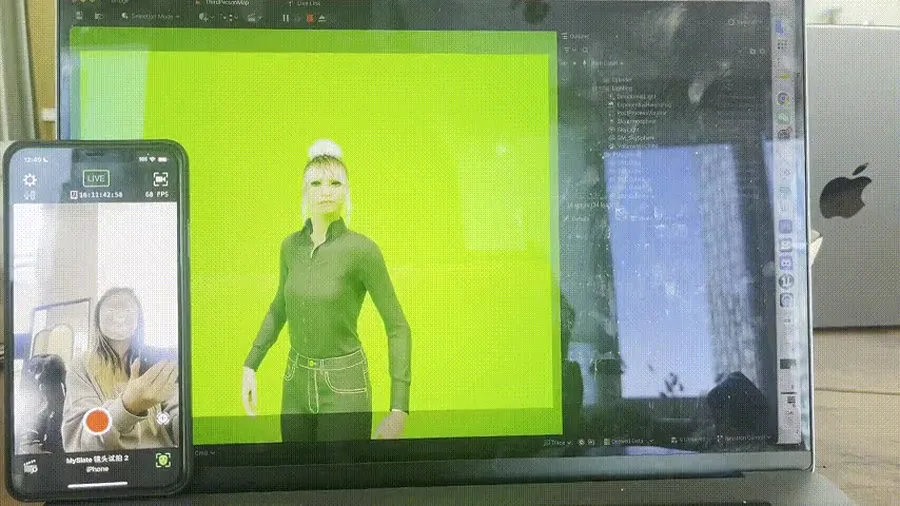
Starting from the hypothesis that social media and the beauty industry are pushing faces toward a single, convergent ideal, I collected highly engaged beauty posts, overlaid them at matching scale and partial transparency into a composite face, and used mobile facial tracking and Unreal Engine to animate a MetaHuman that tells that story.

Fall 2018

Nature Naturally

Early-graduation Independent Study Project (ISP) and BFA thesis, Graphic Design, RISD

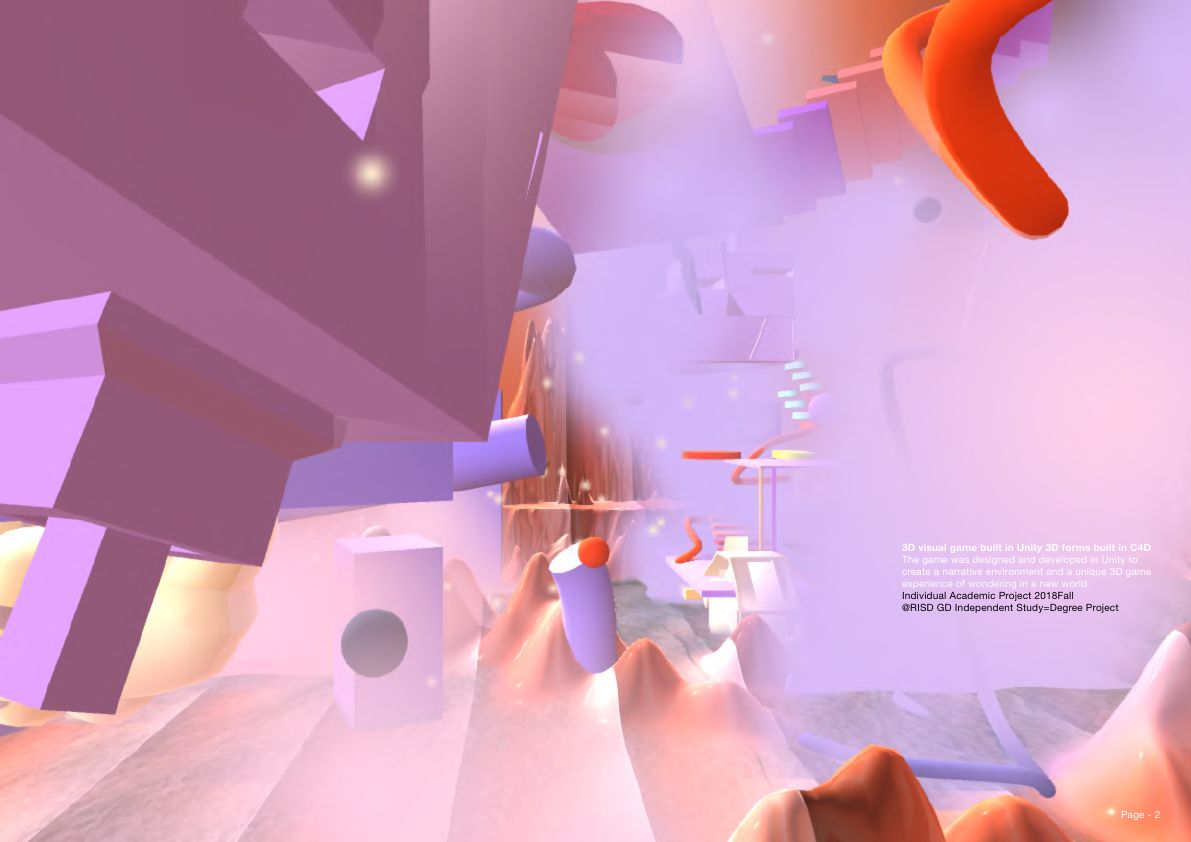
Photographs and textures of mountains, terrains generated in Unity, and a hand-bound visual archive: the same physical environment represented through image, computational geometry, and physical artifact.

Pink three-dimensional terrain landscape

Fall 2017

Earthcope

CSCI 1300 User Interfaces and User Experience, Brown University · Team of 3

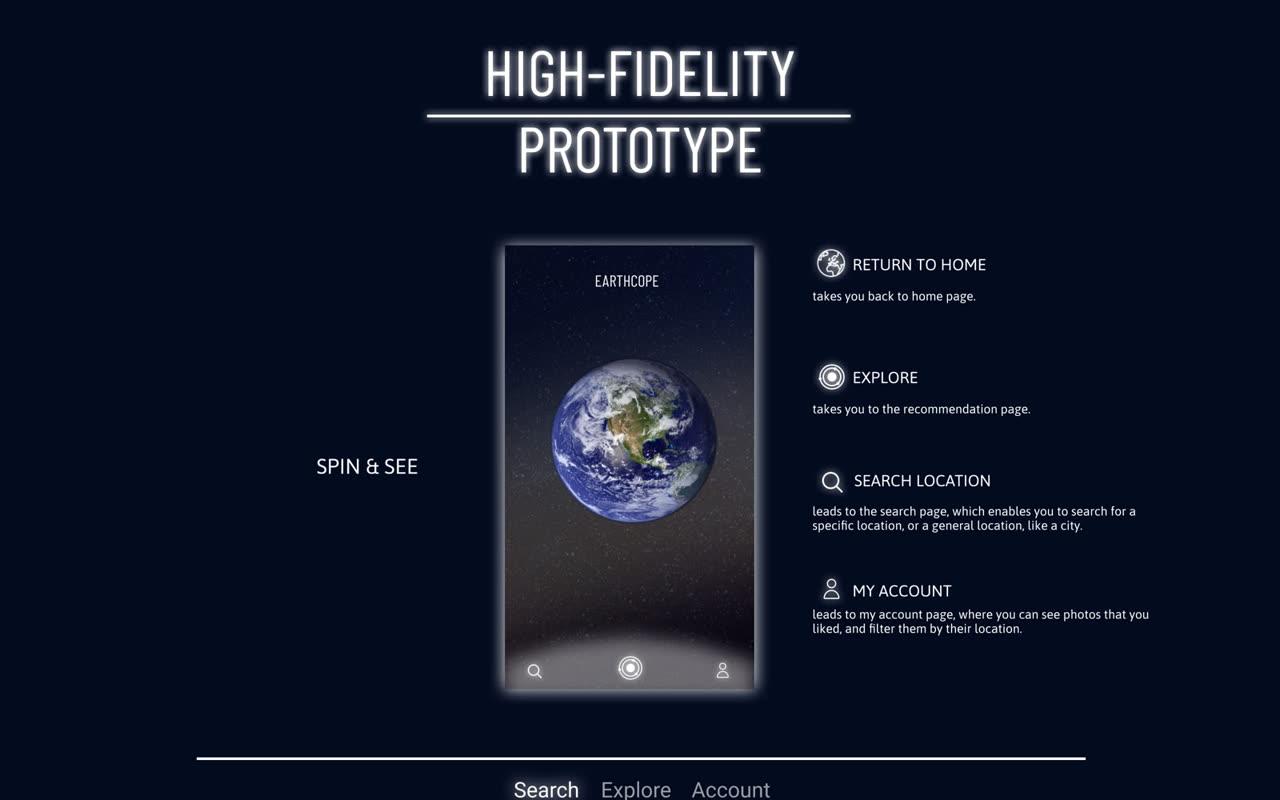
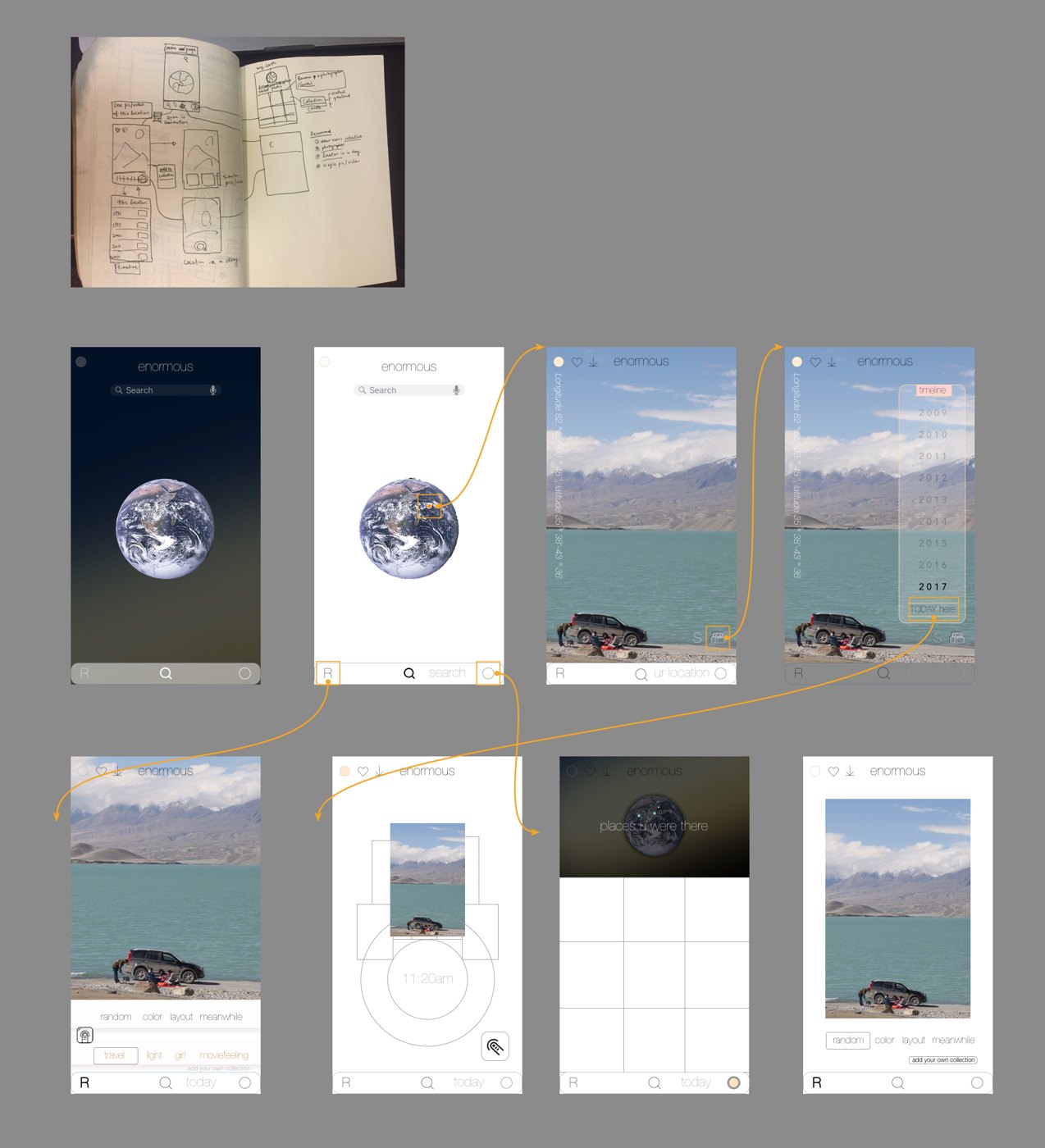
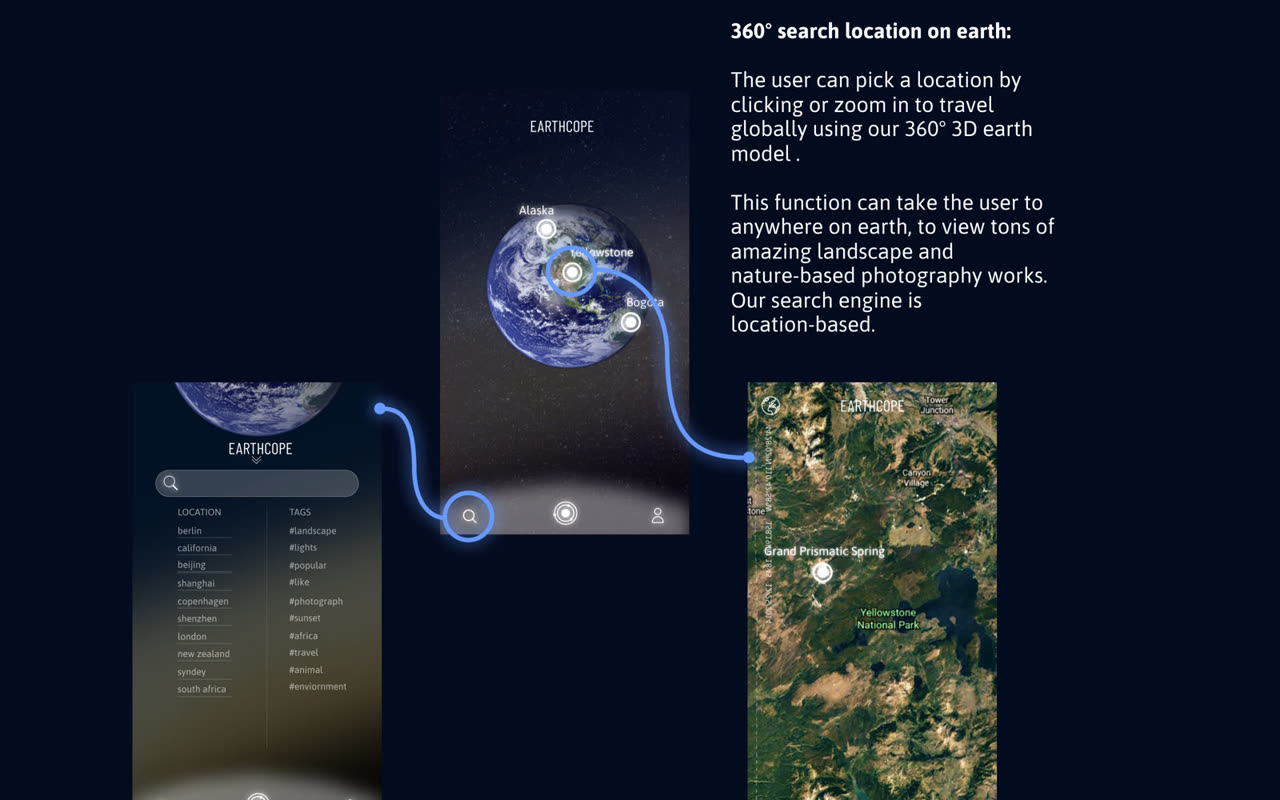
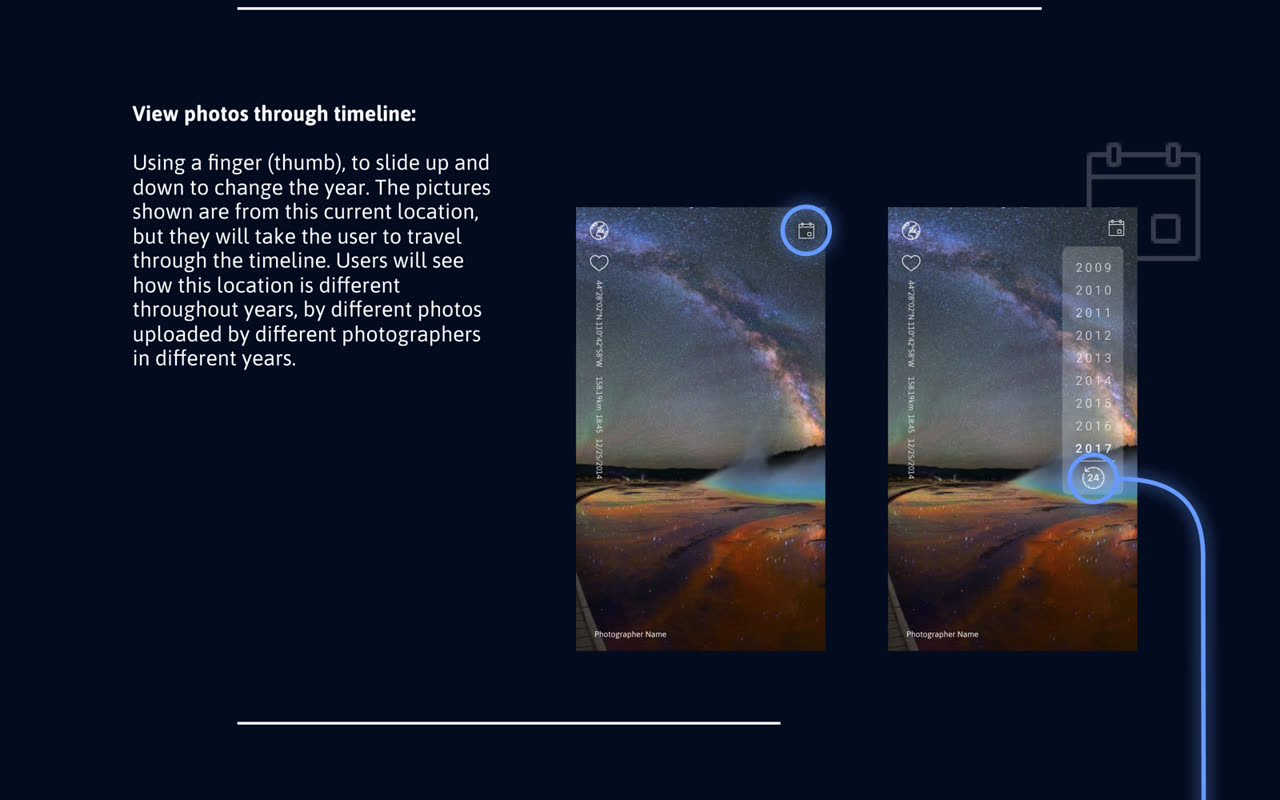
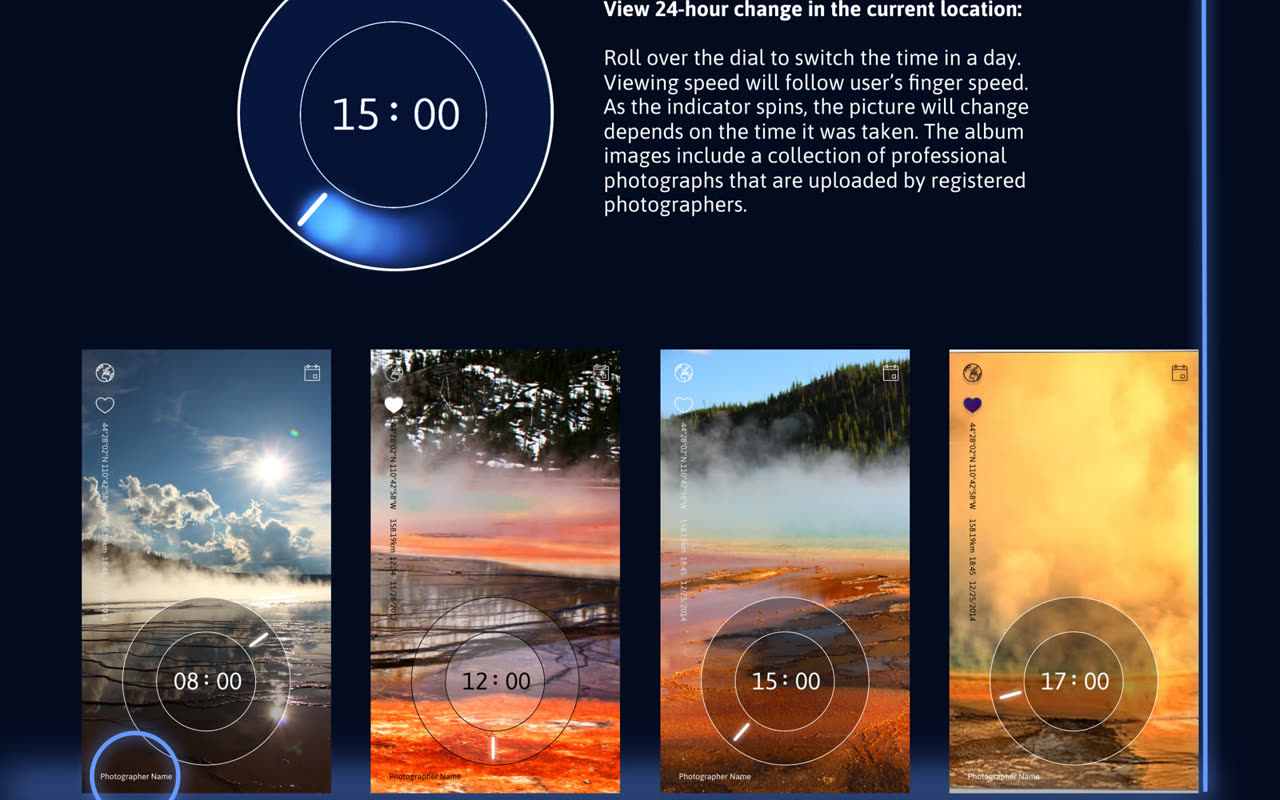
A location-based app for browsing nature photography: pick a place on a 3D globe, then see it across years or across the 24 hours of a day. I proposed the concept and designed the UX flow framework; together we built the hi-fi prototype and ran remote usability tests with three participants — which surfaced a misleading name, an unclear "collect" vs. "like" distinction, and testers treating the mobile prototype like a desktop site.

Fall 2017

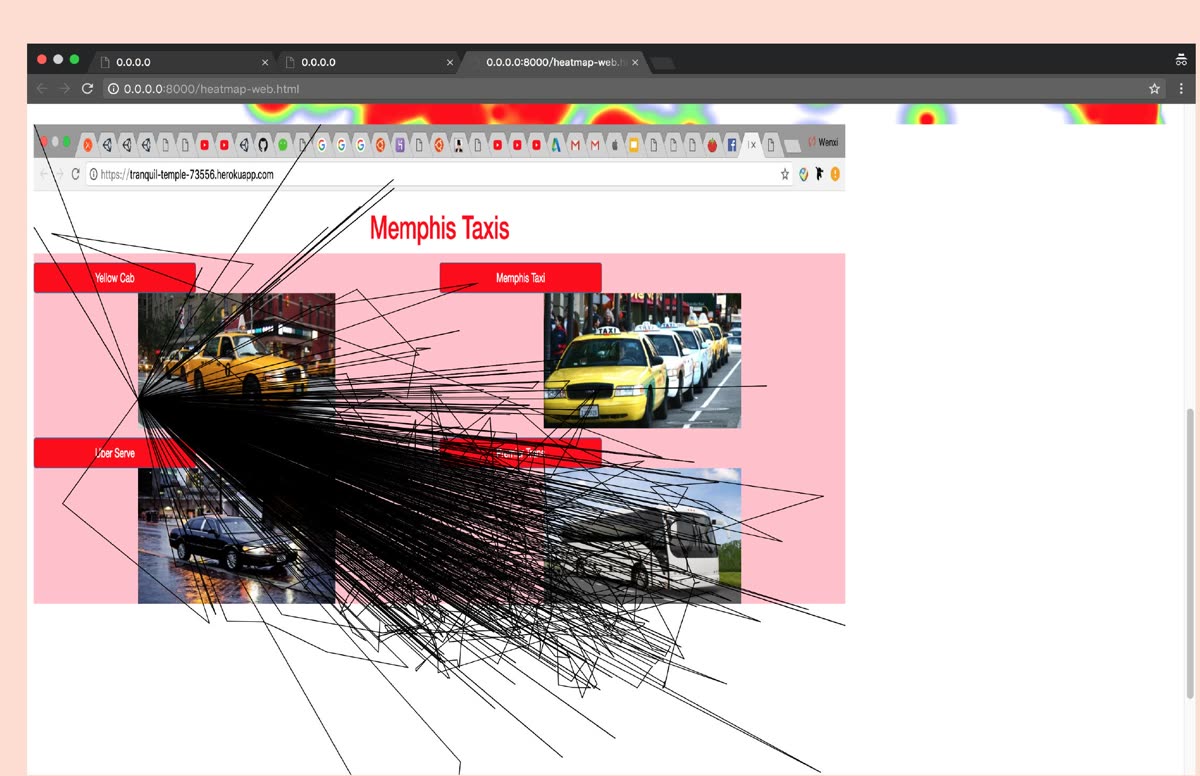
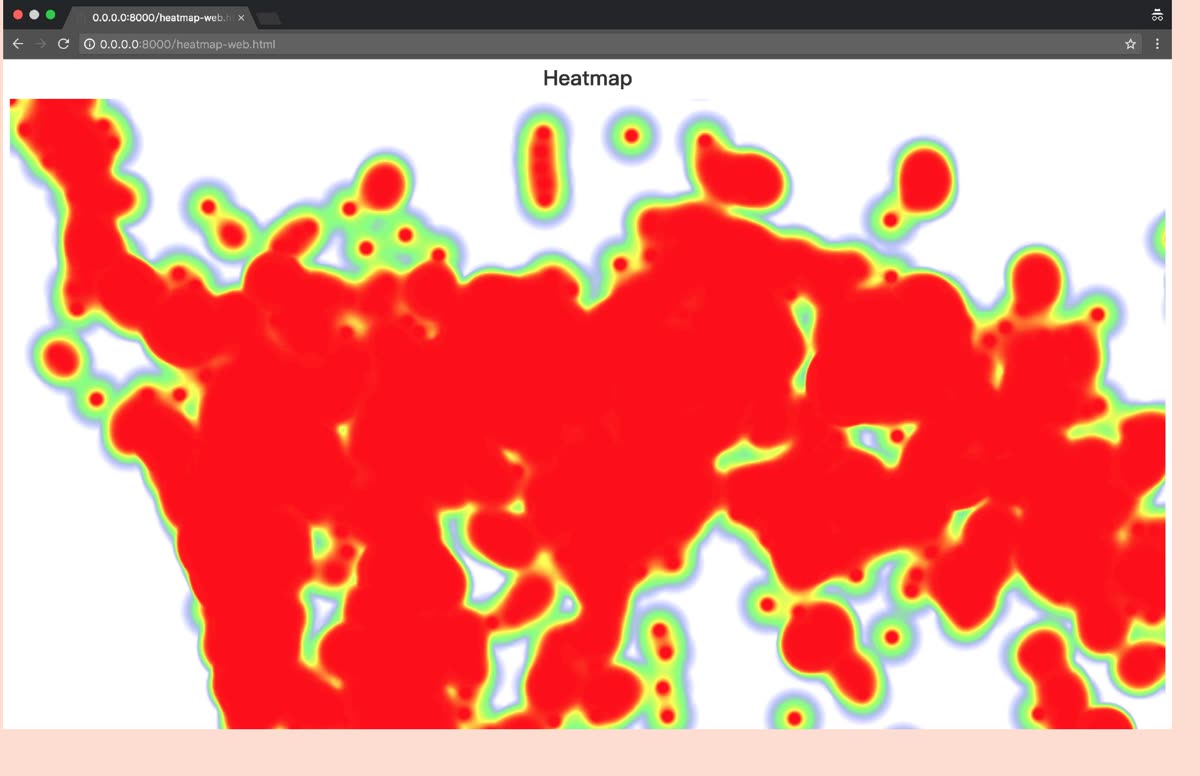
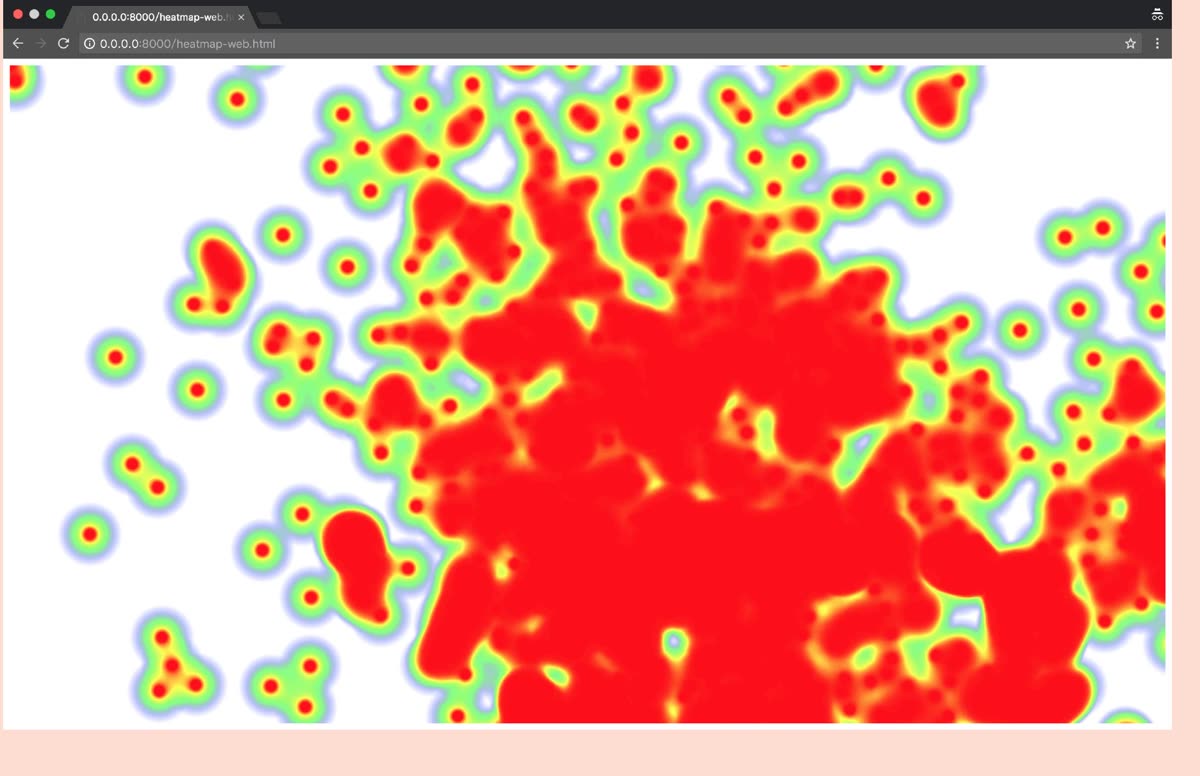
Text vs. Image Layout: A/B Testing and Eye-Tracking

CSCI 1300 User Interfaces and User Experience, Brown University · individual assignment

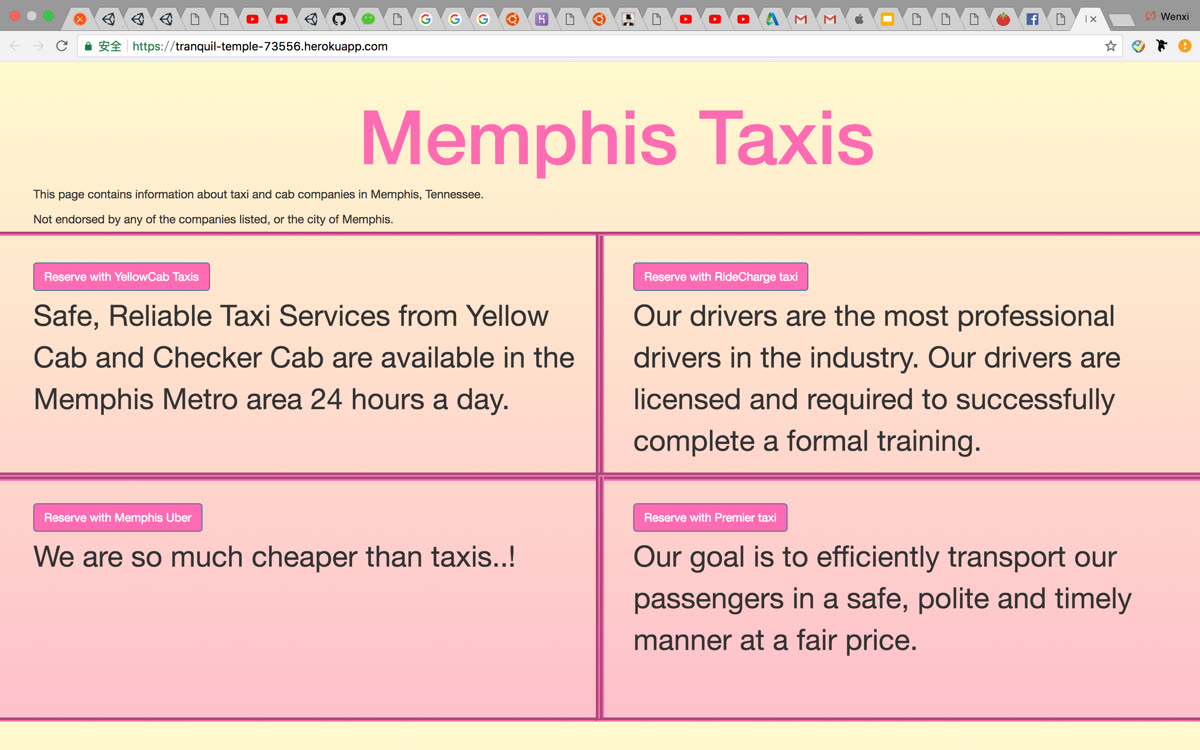
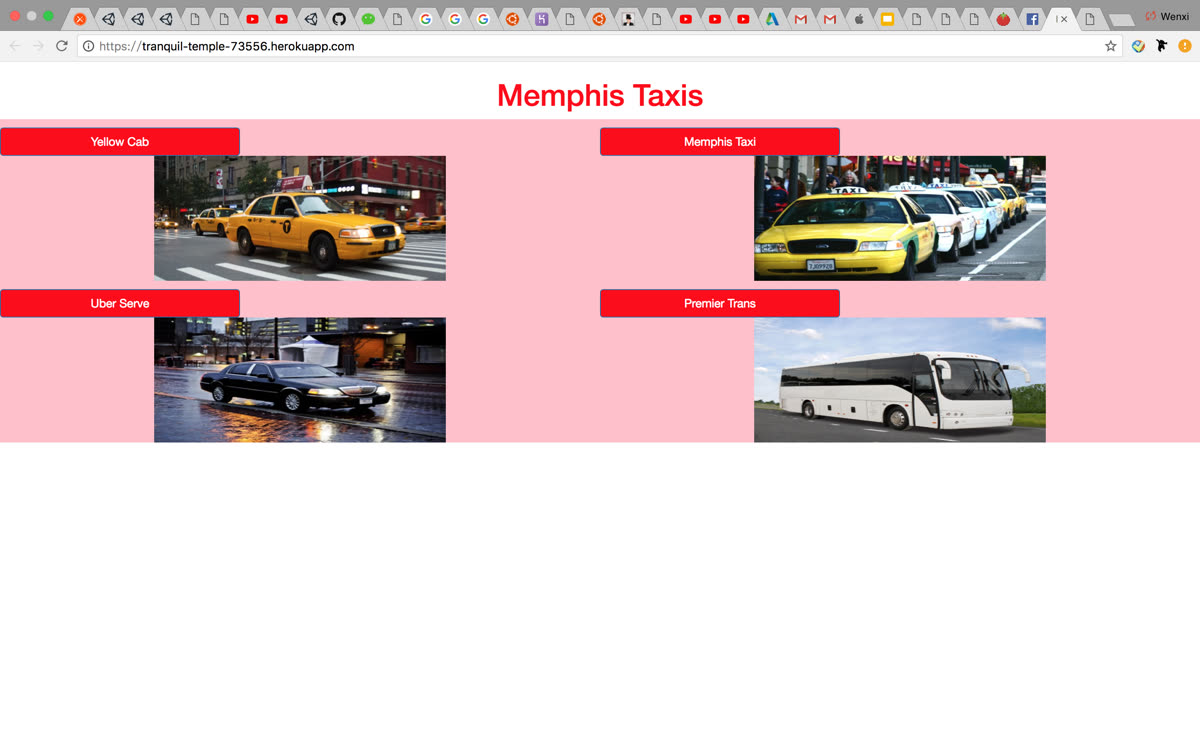
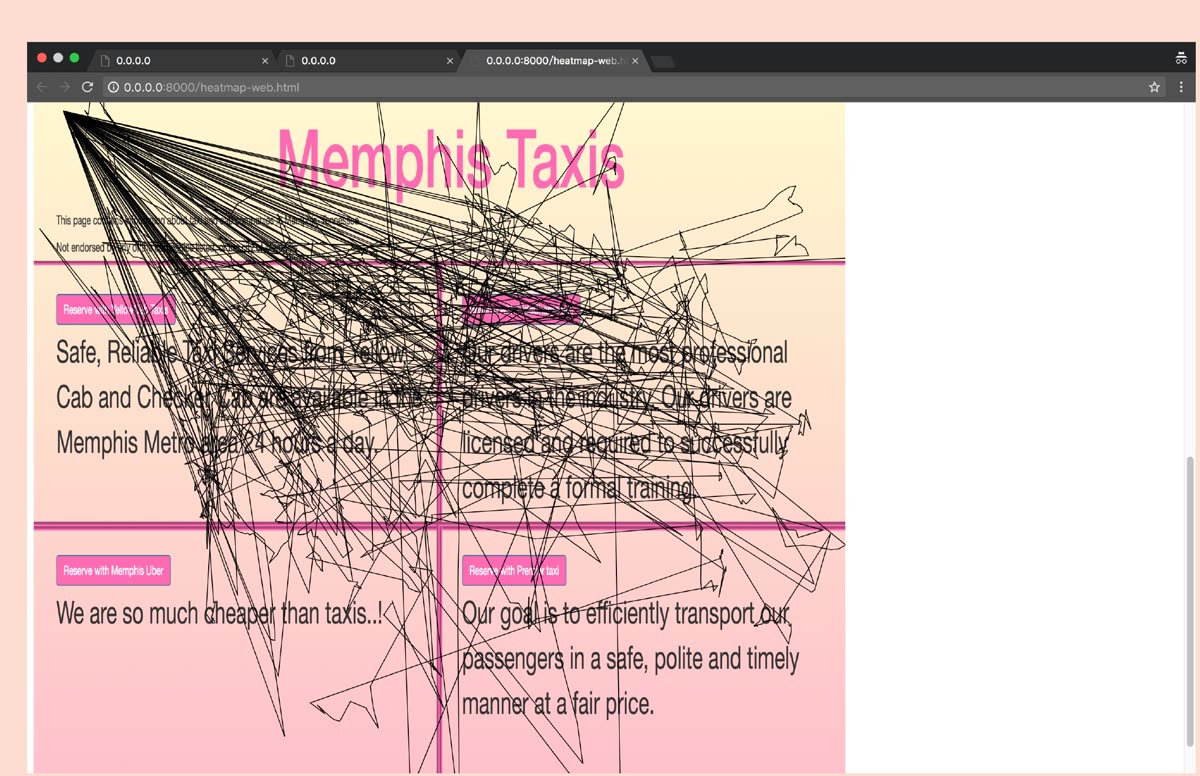
I built two versions of a taxi-booking landing page from course-provided content — one led by text, one by images — and compared them with a live A/B test (189 sessions) and eye-tracking with two participants. The image layout drew more clicks (35% vs. 18% click-through; χ², p ≈ .01), and gaze on it settled on specific images, while gaze on the text layout was scattered and jumped around the page.

Fall 2017

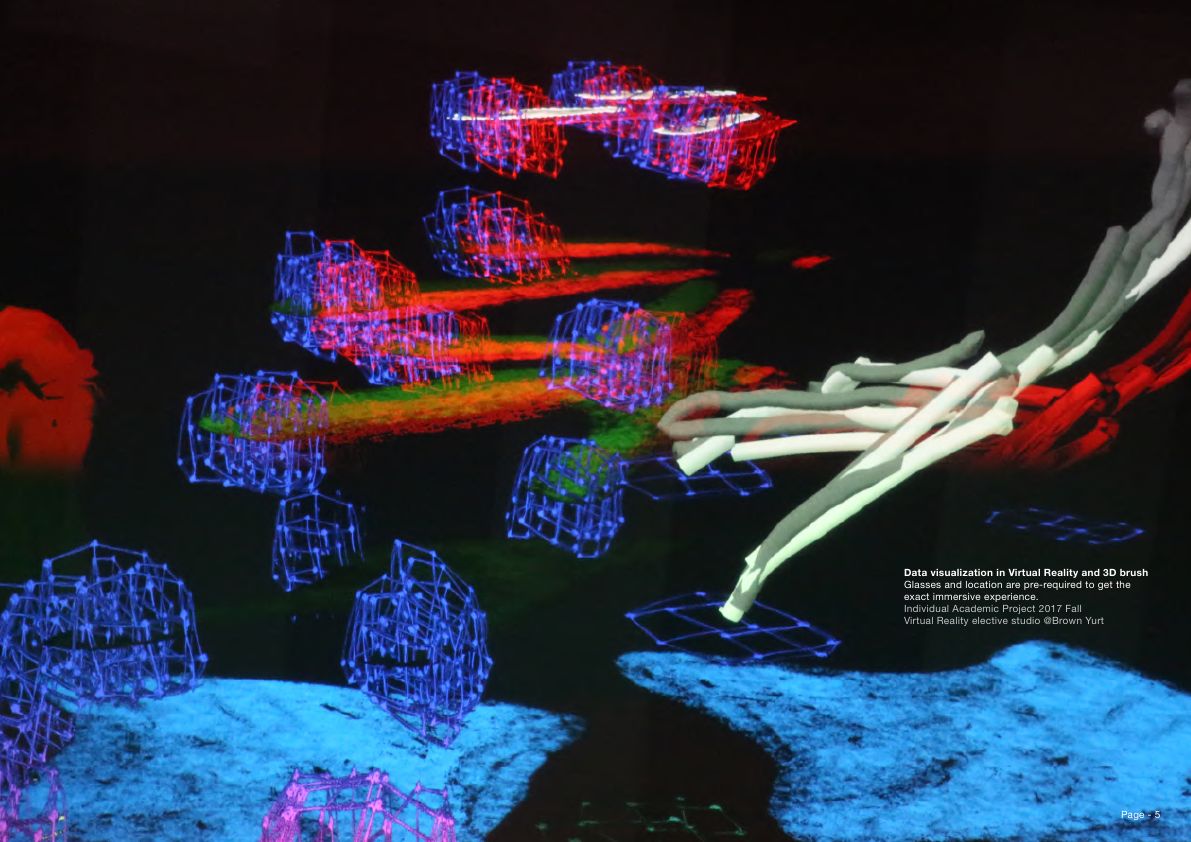
Footprints

VR data visualization · Brown University

A virtual-reality data landscape built for the YURT — Brown's immersive, room-scale virtual-reality theater.

Virtual reality data landscape from Footprints

Spring 2018

ReDesign ReUse ReLove

Design Ethics studio, Royal Danish Academy (KADK), Copenhagen

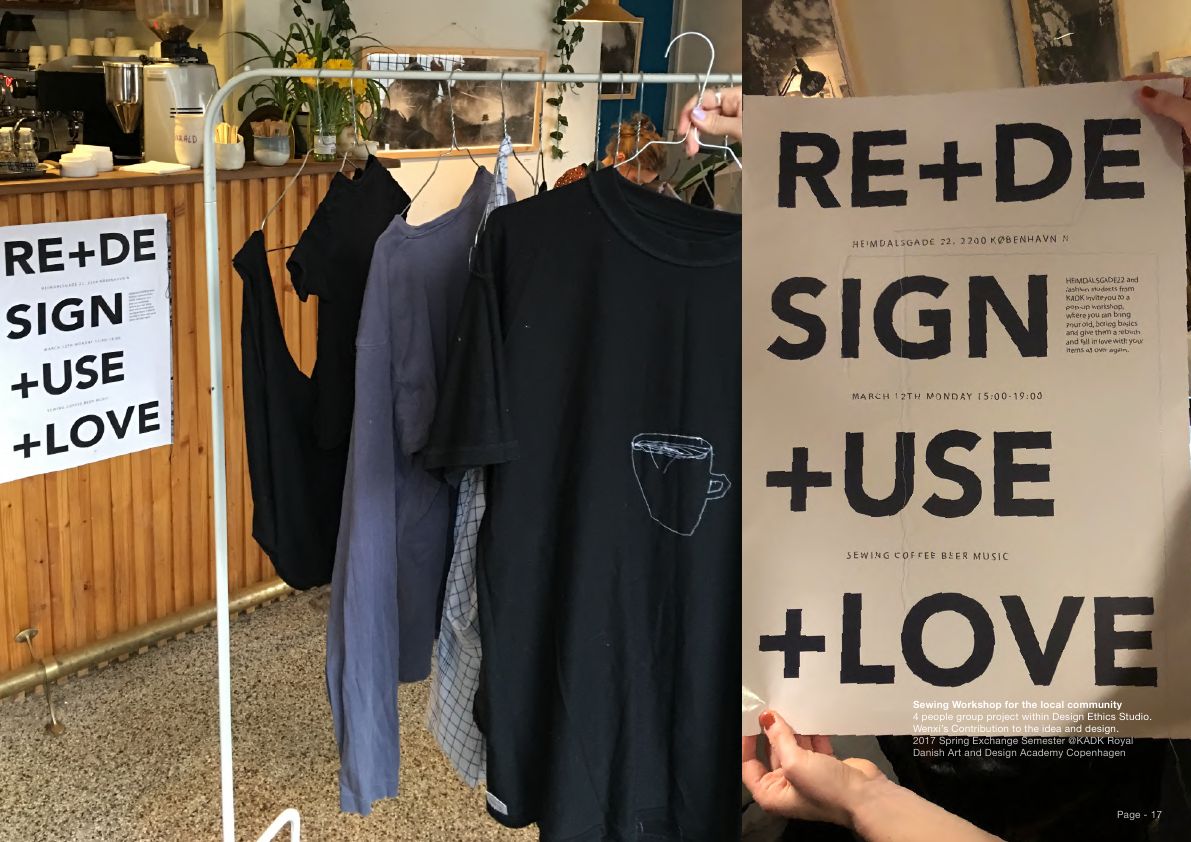
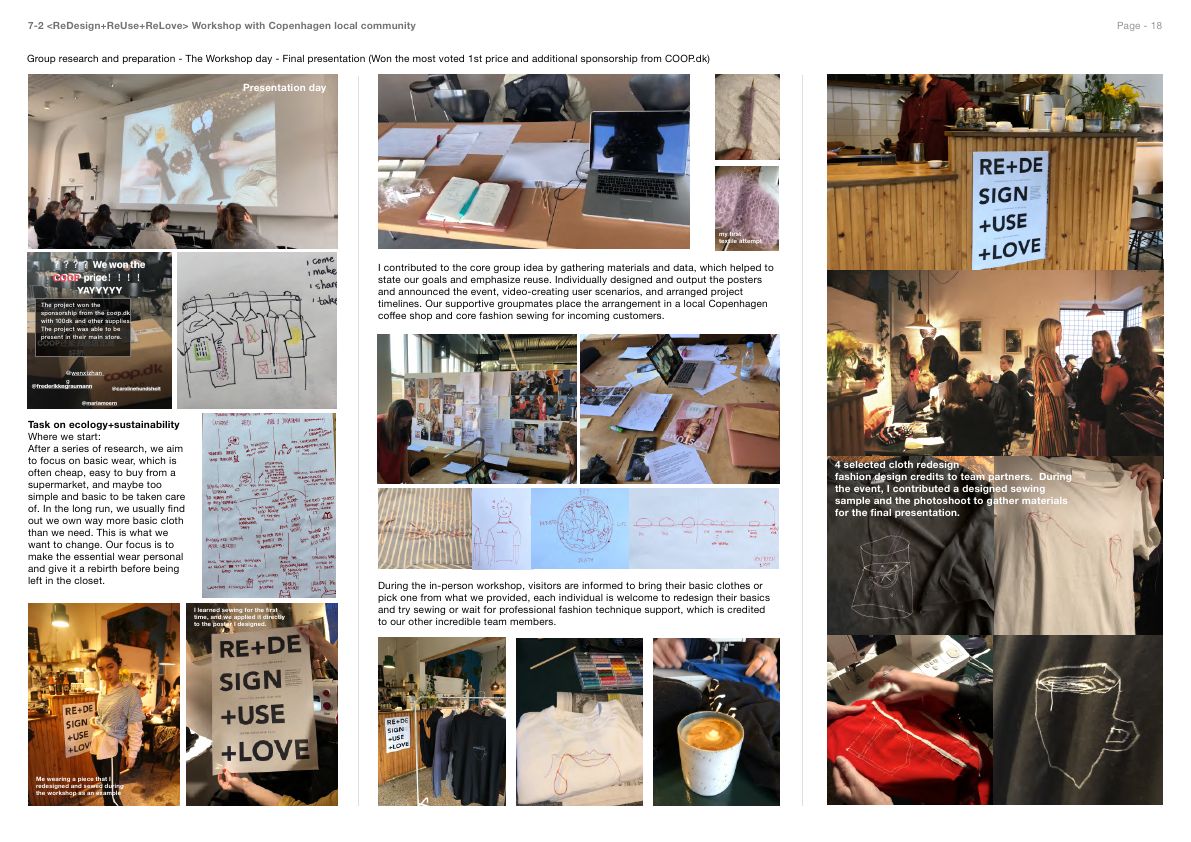
A participatory workshop with local residents that turned sustainability into shared making — built around repair, reuse, and community.

Three selected areas of work outside academia: a product I took from idea to launch at WeChat Pay1, an interaction and UX patent2, and AI prototypes I build independently alongside my product strategy work at Tencent3.

12020–22

Scan-to-Order

Launched · 0 → 1

WeChat Pay, Tencent · Product lead · Software + hardware

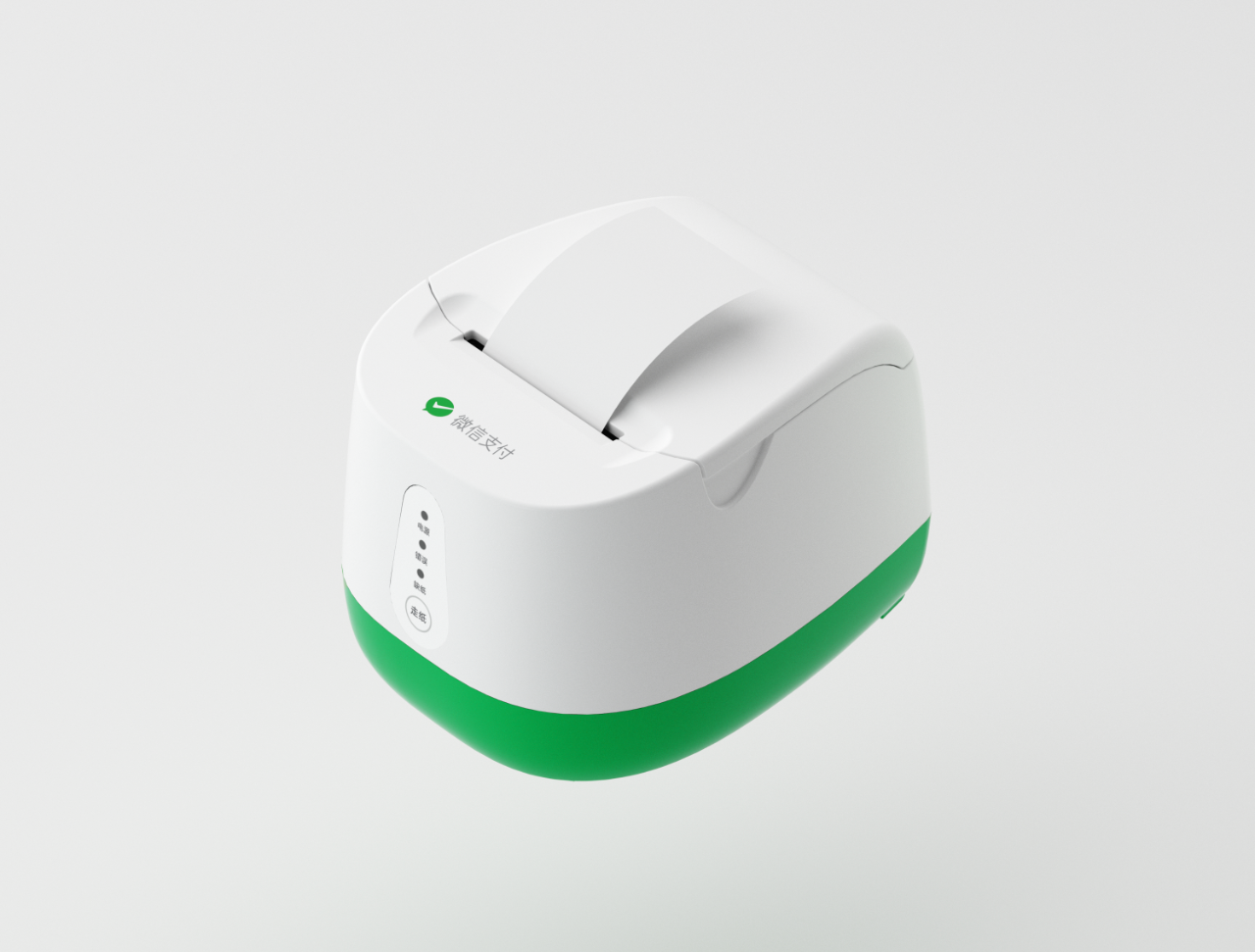
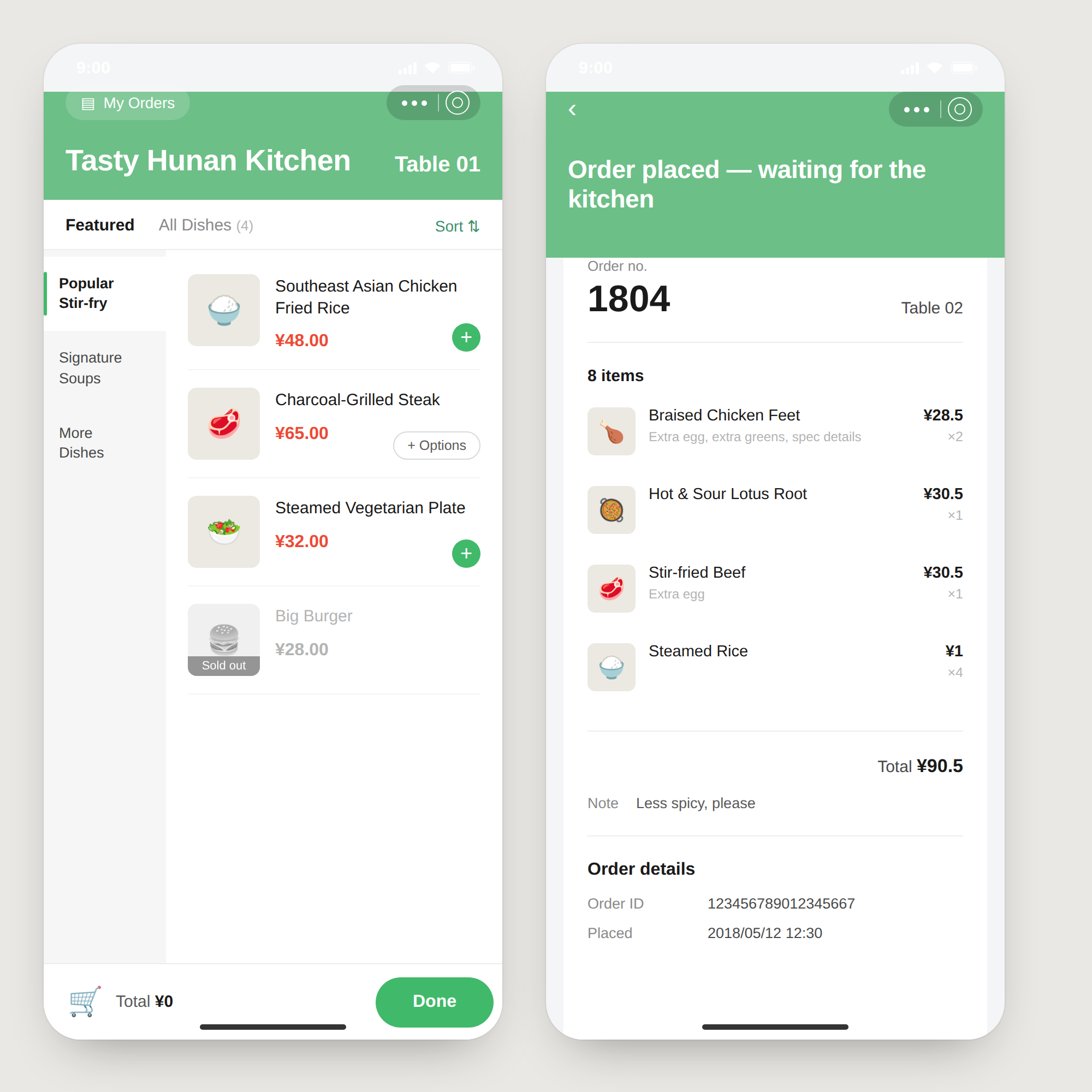
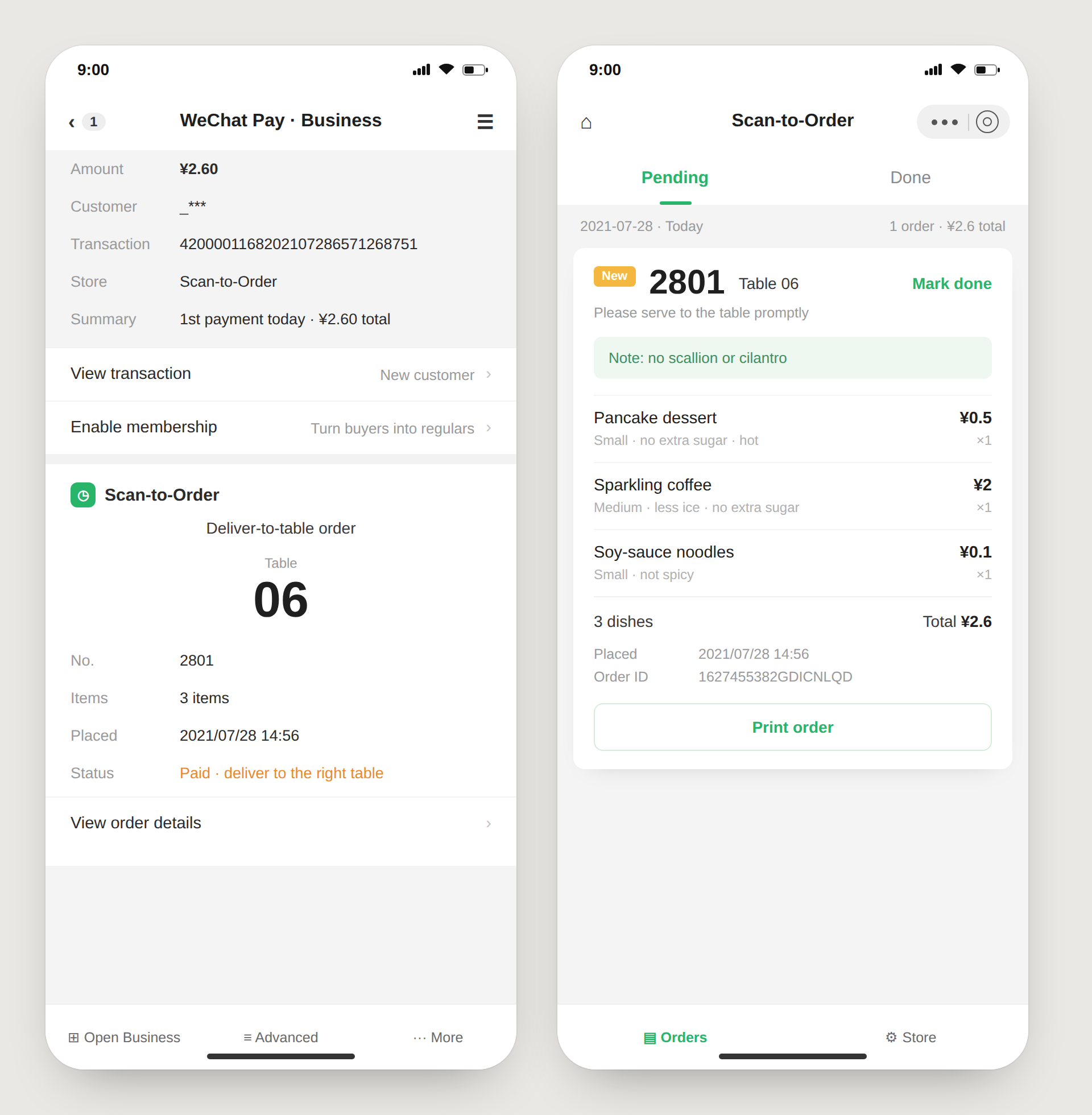
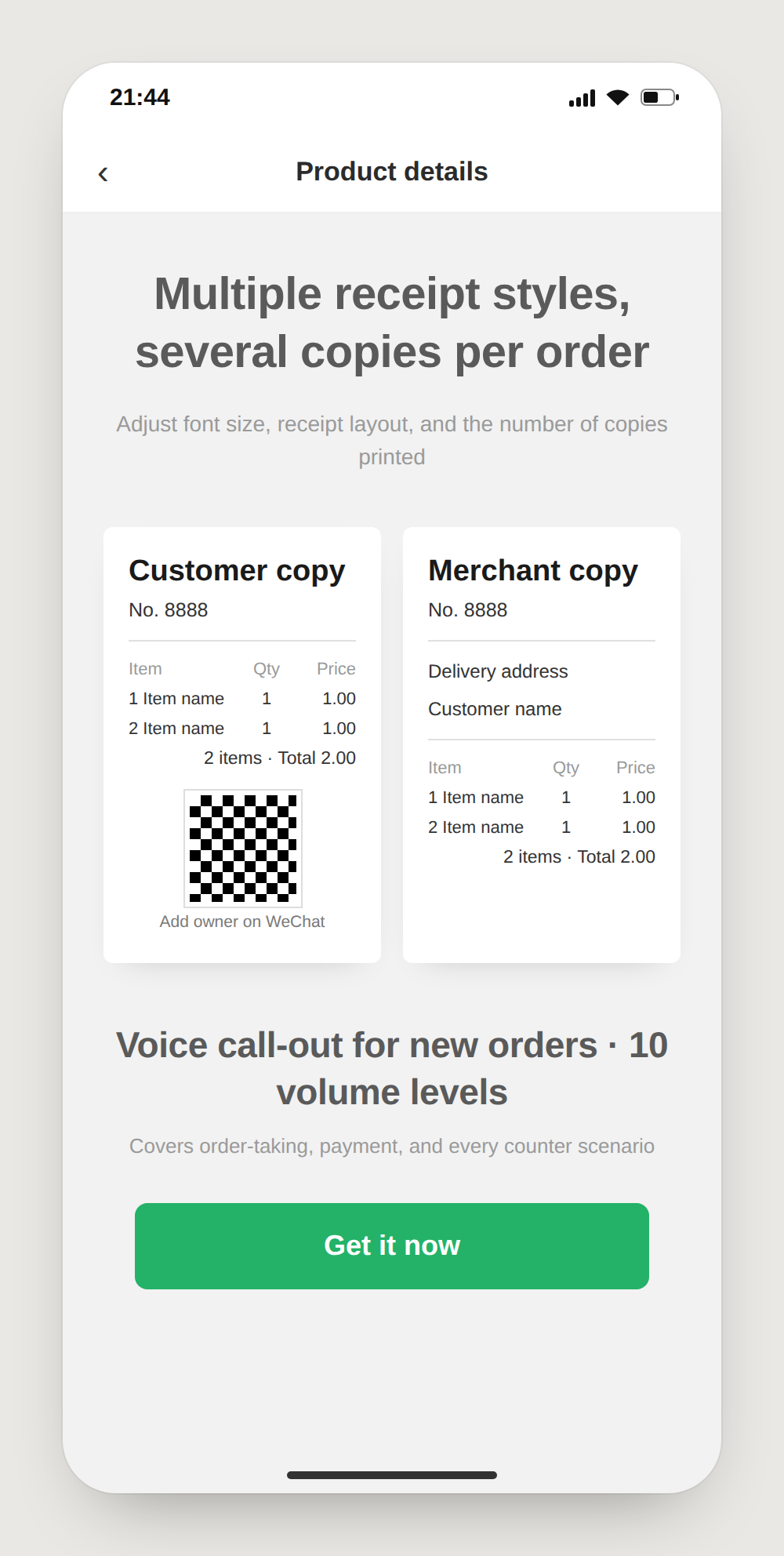
Scoped the product from zero to one and led it through launch: scan-to-order for small and micro merchants on WeChat Pay, turning a payment QR code into a full in-store and online ordering flow, plus the receipt-printer hardware behind it. Research ran alongside the build: I recruited merchants through in-app feedback, interviewed about ten by phone and in person on the software, and briefed 100 merchants on the printer — they became a whitelisted P0 pilot before the P1 printer went into full production.

22019

Scroll-driven interface states

Granted 2024

Tencent · Invention patent CN110597432B · Co-inventor

Co-developed an interaction in which users' scrolling behavior controls animation states and interface transitions — formalizing a human gesture as an explicit mapping between user action and system state.

3Aug 2026

Sunlit

Personal side project

Designed and built independently with an AI coding agent

An interactive apartment-light simulator that turns an address, window orientation, month, and time into a clear picture of direct sun before you sign a lease.

3Jul 2026

Rethinking Interior Staging

3D interaction · Spatial commerce

A spatial staging experiment for exploring real furniture in context and seeing how a room shifts from dawn to night.

3Oct 2026

1x Clock

Physical AI concept · Solo hackathon build

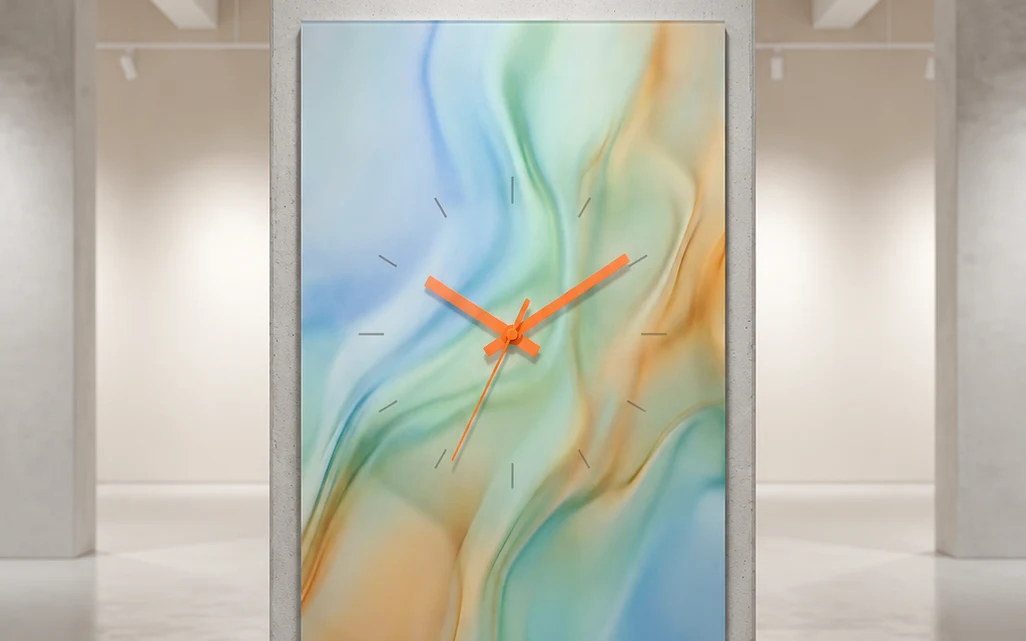
A wall clock with physical hands over an ambient AI display — a quiet reminder that while media speeds up, real time still moves at 1x.

3May 2026 –

AI Digest from Official Sources

Agent workflow · Source infrastructure · Ongoing

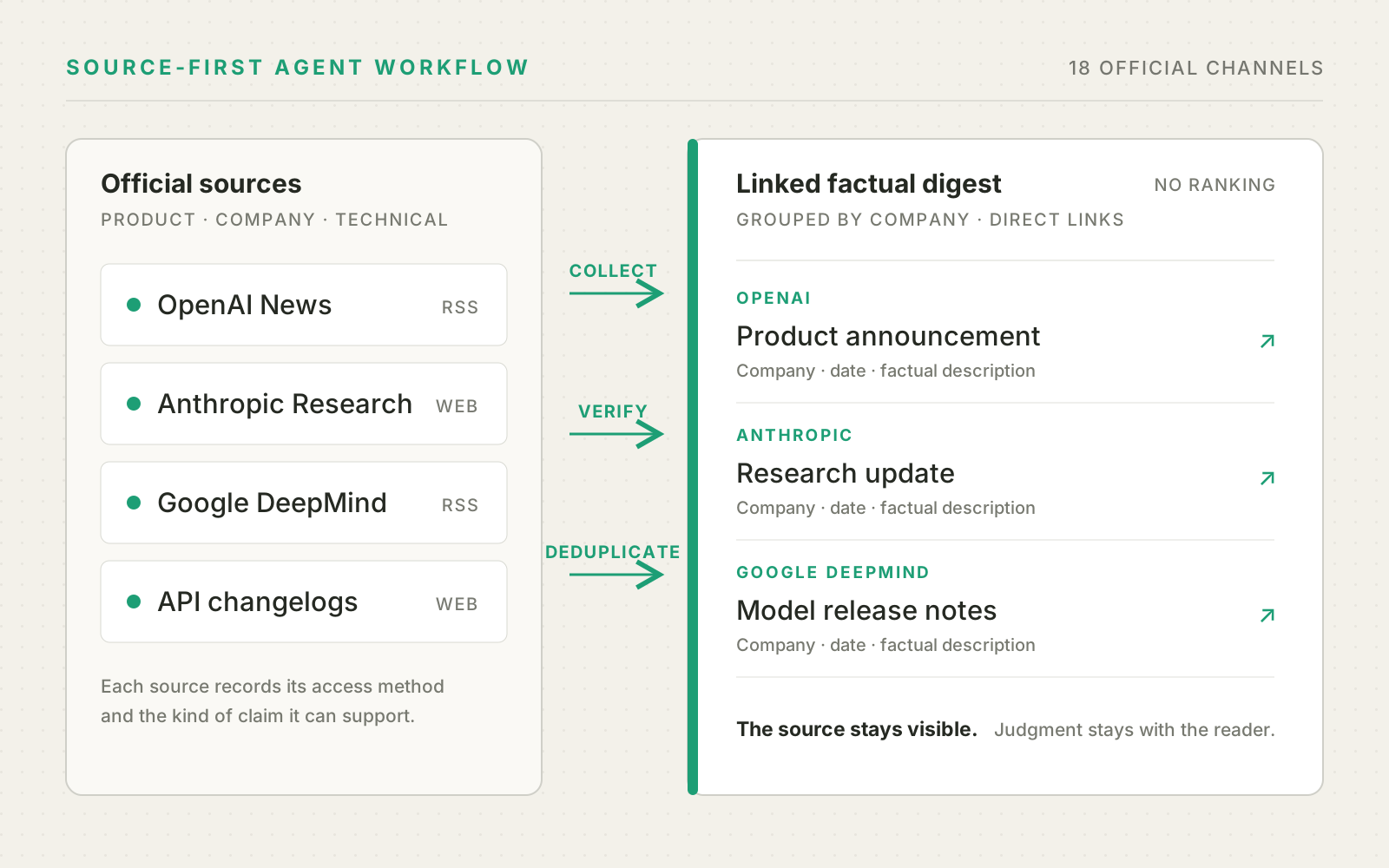
An agent skill that gathers AI announcements from first-party sources and returns a linked, factual digest without ranking or commentary.

3Jun 2026

Move the Air

Interactive mood memo

A playful mood memo for letting thoughts surface, then popping the ones you're ready to release.